Research Areas
The Alle Lab integrates chemical biology, medicinal chemistry, and structural biology to address challenging problems in drug discovery.
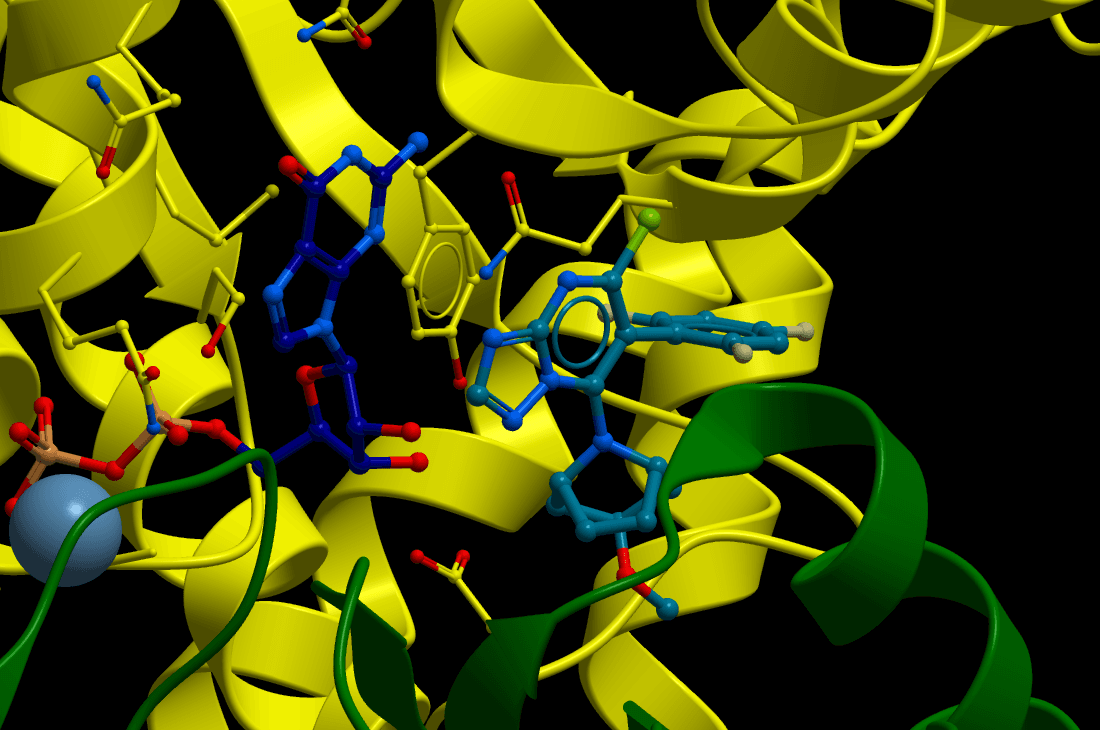
Microtubule-Modulating Triazolopyrimidines: A Versatile Platform for Therapeutic Discovery
Our laboratory focuses on the rational design and optimization of small-molecule modulators of microtubule dynamics, centered on the 1,2,4-triazolo[1,5-a]pyrimidine (TPD) scaffold. These compounds engage tubulin at distinct binding sites, allowing us to tune cellular phenotypes—from microtubule stabilization to other modulatory effects—through targeted structural modifications. We apply this versatile chemical platform to develop brain-penetrant therapeutics for neurodegenerative tauopathies, including Alzheimer’s disease, as well as for parasitic infections such as human African trypanosomiasis, with emerging applications in oncology.
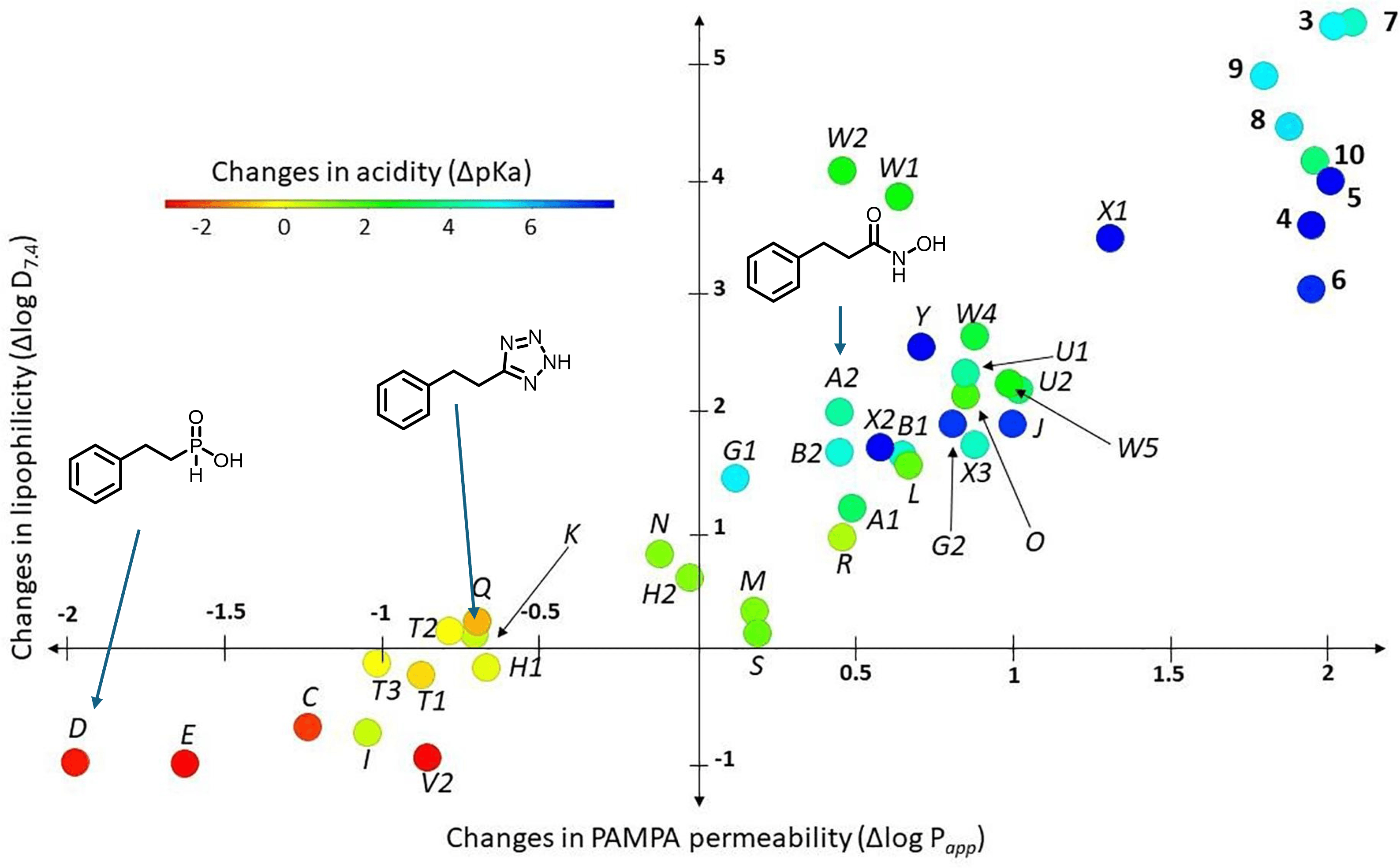
Optimizing Physicochemical Properties Through Bioisosteric Replacement
Our group conducts fundamental studies in bioisosteric design aimed at optimizing the physicochemical and pharmacokinetic properties of drug-like molecules. Through systematic evaluation of matched molecular pairs, we investigate how strategic structural replacements—such as fluorinated alcohols and phenols as carboxylic acid surrogates—influence key parameters including acidity, lipophilicity, and membrane permeability. These foundational insights are then applied to address practical limitations of existing compounds, as demonstrated by our development of deuterated cystamine derivatives. These analogs retain the beneficial anti-inflammatory and anti-fibrotic activities of the parent molecule while markedly reducing the formation of noxious volatile metabolites responsible for halitosis and body odor in the context of metabolic liver disease.