Medicinal chemistry for the next generation of therapeutics
We use modern medicinal chemistry and rational drug design strategies, including bioisosteric approaches, to develop novel small-molecule therapeutics targeting microtubules for neurodegenerative diseases, infectious diseases and cancer, while training and mentoring the next generation of medicinal chemists and biomedical researchers.
Research Areas
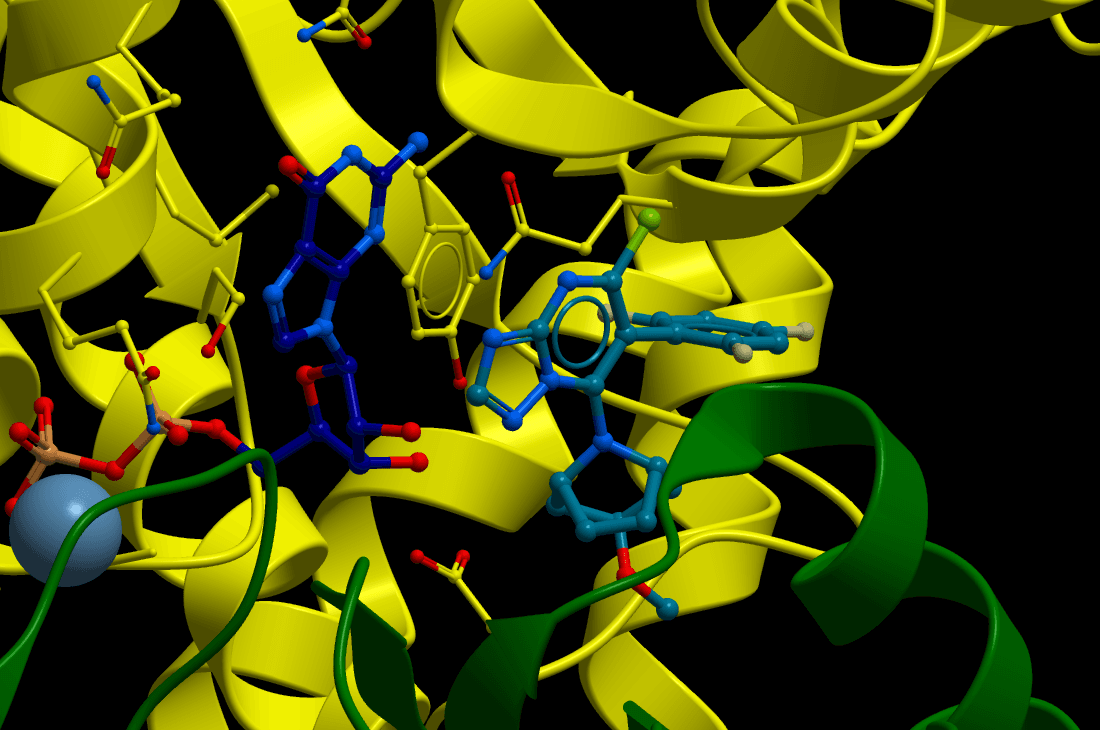
Microtubule-Modulating Triazolopyrimidines: A Versatile Platform for Therapeutic Discovery
Our laboratory focuses on the rational design and optimization of small-molecule modulators of microtubule dynamics, centered on the 1,2,4-triazolo[1,5-a]pyrimidine (TPD) scaffold. These compounds engage tubulin at distinct binding sites, allowing us to tune cellular phenotypes—from microtubule stabilization to other modulatory effects—through targeted structural modifications. We apply this versatile chemical platform to develop brain-penetrant therapeutics for neurodegenerative tauopathies, including Alzheimer’s disease, as well as for parasitic infections such as human African trypanosomiasis, with emerging applications in oncology.
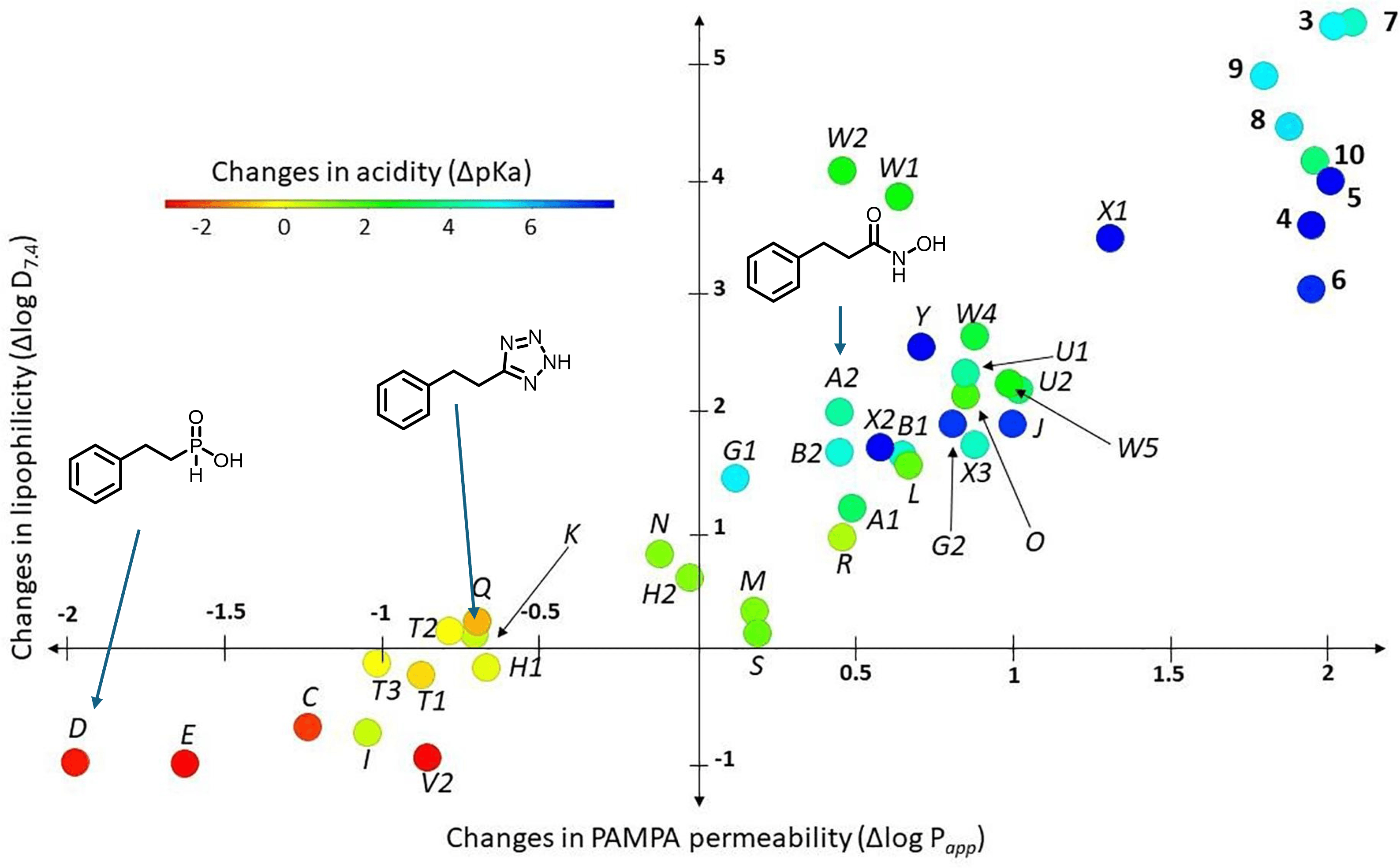
Optimizing Physicochemical Properties Through Bioisosteric Replacement
Our group conducts fundamental studies in bioisosteric design aimed at optimizing the physicochemical and pharmacokinetic properties of drug-like molecules. Through systematic evaluation of matched molecular pairs, we investigate how strategic structural replacements—such as fluorinated alcohols and phenols as carboxylic acid surrogates—influence key parameters including acidity, lipophilicity, and membrane permeability. These foundational insights are then applied to address practical limitations of existing compounds, as demonstrated by our development of deuterated cystamine derivatives. These analogs retain the beneficial anti-inflammatory and anti-fibrotic activities of the parent molecule while markedly reducing the formation of noxious volatile metabolites responsible for halitosis and body odor in the context of metabolic liver disease.
Current Collaborations
We actively collaborate with academic and industry partners on translational drug discovery projects.
Targeting MSUT2 with small molecules to ameliorate pathological tau
We are developing small-molecule inhibitors targeting MSUT2, a novel regulator of neuronal susceptibility to tau toxicity. Using high-throughput screening of over 100,000 compounds, we identified multiple chemotypes that disrupt MSUT2 binding to poly(A) RNA. Our medicinal chemistry efforts are now focused on optimizing these hits into potent, selective, and brain-penetrant inhibitors. These tool compounds will enable target validation and exploration of MSUT2 inhibition as a therapeutic strategy for Alzheimer’s disease and related tauopathies.
Small molecule inhibitors of the proton-sensing receptor GPR68 for pancreatic cancer therapy
Drug discovery effort towards the design of selective GPR68 inhibitors and study of their effects on pancreatic cancer (PDAC) progression.
We are actively seeking new collaborations in medicinal chemistry and chemical biology. If you are interested in partnering on small-molecule drug discovery, chemical probe development, or related projects, we would be happy to explore opportunities together.
News
A New Doctor
Congratulations to Darius J. Yohannan on a successful Ph.D. defense after five years of focused and dedicated work.
Editorial Accepted: Microtubule Stabilization as a Therapeutic Strategy for Alzheimer’s Disease and Tauopathies
The editorial co-authored by Darius J. Yohannan, Kurt R. Brunden, and Thibault Alle on microtubule stabilization as a therapeutic approach for Alzheimer’s disease and neurodegenerative tauopathies has been accepted for publication in *Current Topics in Medicinal Chemistry*.
New Collaboration & Funding: GPR68 Inhibitors for Pancreatic Cancer (NCI R21)
In May 2025, the Alle Laboratory was awarded an NCI R21 grant focused on the development of small-molecule inhibitors of the proton-sensing receptor GPR68 as a potential therapeutic approach for pancreatic cancer.
From Continuity to New Horizons: The Alle Lab Begins at UC San Diego
Assistant Adjunct Professor Thibault Alle establishes a new medicinal chemistry laboratory at the Skaggs School of Pharmacy and Pharmaceutical Sciences, continuing and expanding research on microtubule-stabilizing agents for neurodegenerative diseases and antiparasitic drug discovery.
Publications12
Peer-reviewed work from the laboratory. Publications are organized by recency.
Recent Publications1
2026 – PRESENTMicrotubule Stabilization as a Therapeutic Strategy: Updated Perspectives on Alzheimer’s Disease and Neurodegenerative Tauopathies
Prior to 202611
EARLIER WORKd4-Cystamine: A Deuterated Cystamine Derivative with Improved Anti-Inflammatory and Anti-Fibrotic Activities in a Murine Model of Fibrosing Steatohepatitis
A high-throughput approach to evaluating NCp7 RNA binding activity for HIV-1 drug discovery
A small-molecule microtubule-stabilizing agent safely reduces Aβ plaque and tau pathology in transgenic mouse models of Alzheimer's disease
Microtubule-Stabilizing 1,2,4-Triazolo[1,5-a]pyrimidines as Candidate Therapeutics for Neurodegenerative Disease: Matched Molecular Pair Analyses and Computational Studies Reveal New Structure–Activity Insights
Structure–Activity Relationships, Tolerability and Efficacy of Microtubule-Active 1,2,4-Triazolo[1,5-a]pyrimidines as Potential Candidates to Treat Human African Trypanosomiasis
Structure–property relationships of fluorinated carboxylic acid bioisosteres
Evaluation of the Structure–Activity Relationship of Microtubule-Targeting 1,2,4-Triazolo[1,5-a]pyrimidines Identifies New Candidates for Neurodegenerative Tauopathies
The Prolyl-tRNA Synthetase Inhibitor Halofuginone Inhibits SARS-CoV-2 Infection
Congeners Derived from Microtubule-Active Phenylpyrimidines Produce a Potent and Long-Lasting Paralysis of Schistosoma mansoni In Vitro
Correction of microtubule defects within Aβ plaque‐associated dystrophic axons results in lowered Aβ release and plaque deposition
Design and Synthesis of Epicocconone Analogues with Improved Fluorescence Properties

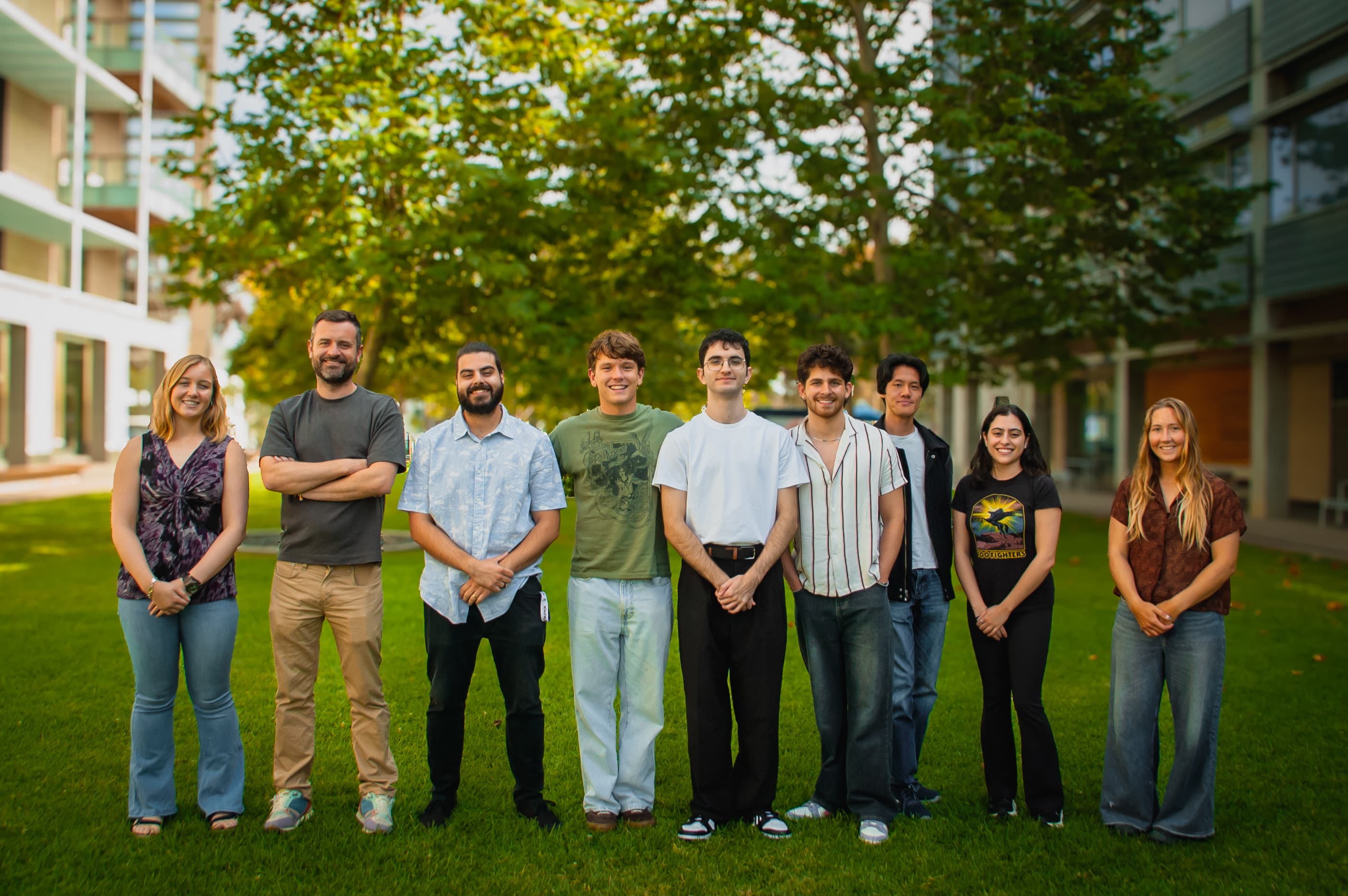
Our Team
We are a collaborative group of scientists passionate about using chemistry to solve important problems in human health.
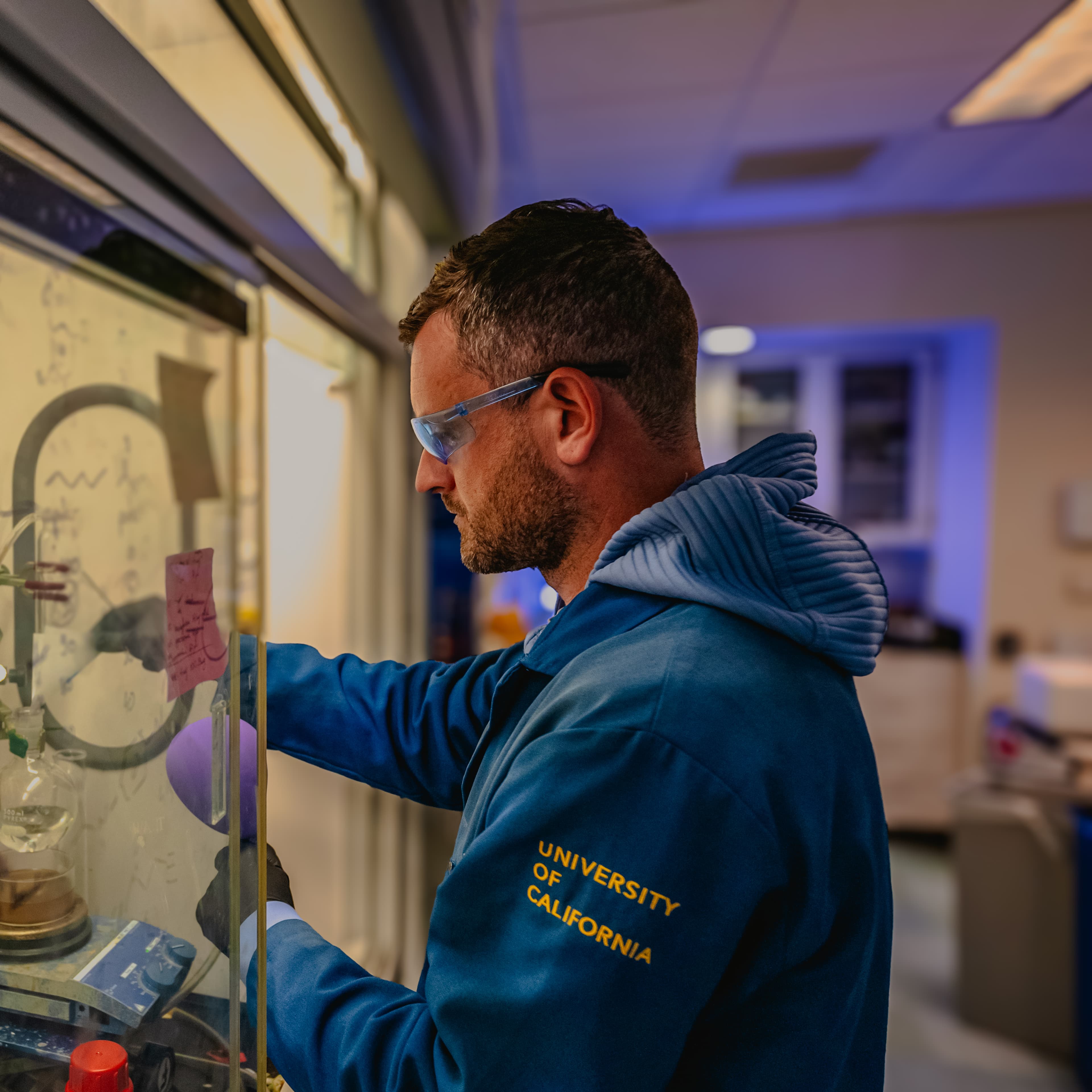
Thibault Alle was born and raised in the south of France (Nîmes), where he developed a strong passion for synthetic organic chemistry and its applications to medicinal chemistry. He earned his Ph.D. in Organic Chemistry from the Université de Normandie under the supervision of Dr. Xavier Franck, focusing on the synthesis and optimization of epicocconone analogues as fluorescent probes for proteomics. He then completed a postdoctoral fellowship at ESPCI Paris in the laboratory of Prof. Janine Cossy, working on the total synthesis of the natural product spongidepsin. Following his postdoctoral training, Dr. Alle spent one year as a Research Scientist at Edelris, where he began applying his synthetic expertise to medicinal chemistry projects. In 2019, he joined the Skaggs School of Pharmacy and Pharmaceutical Sciences at UC San Diego as a postdoctoral researcher in the laboratory of the late Prof. Carlo Ballatore. There, he focused on the design and synthesis of brain-penetrant small molecules targeting tauopathies, including Alzheimer’s disease. He is a co-inventor of CNDR-51997, a microtubule-stabilizing compound currently in IND-enabling studies. Since September 2025, Dr. Alle has served as Assistant Adjunct Professor at UC San Diego. Drawing on his background in total synthesis, he develops and applies new synthetic methodologies to support drug discovery efforts. His research focuses on the development of small-molecule therapeutics for tauopathies, as well as cancer and infectious diseases. He teaches in SSPH221 and SSPH263a and co-chairs SSPH263b, where he lectures on medicinal chemistry strategies in drug design and development for neurodegenerative diseases.
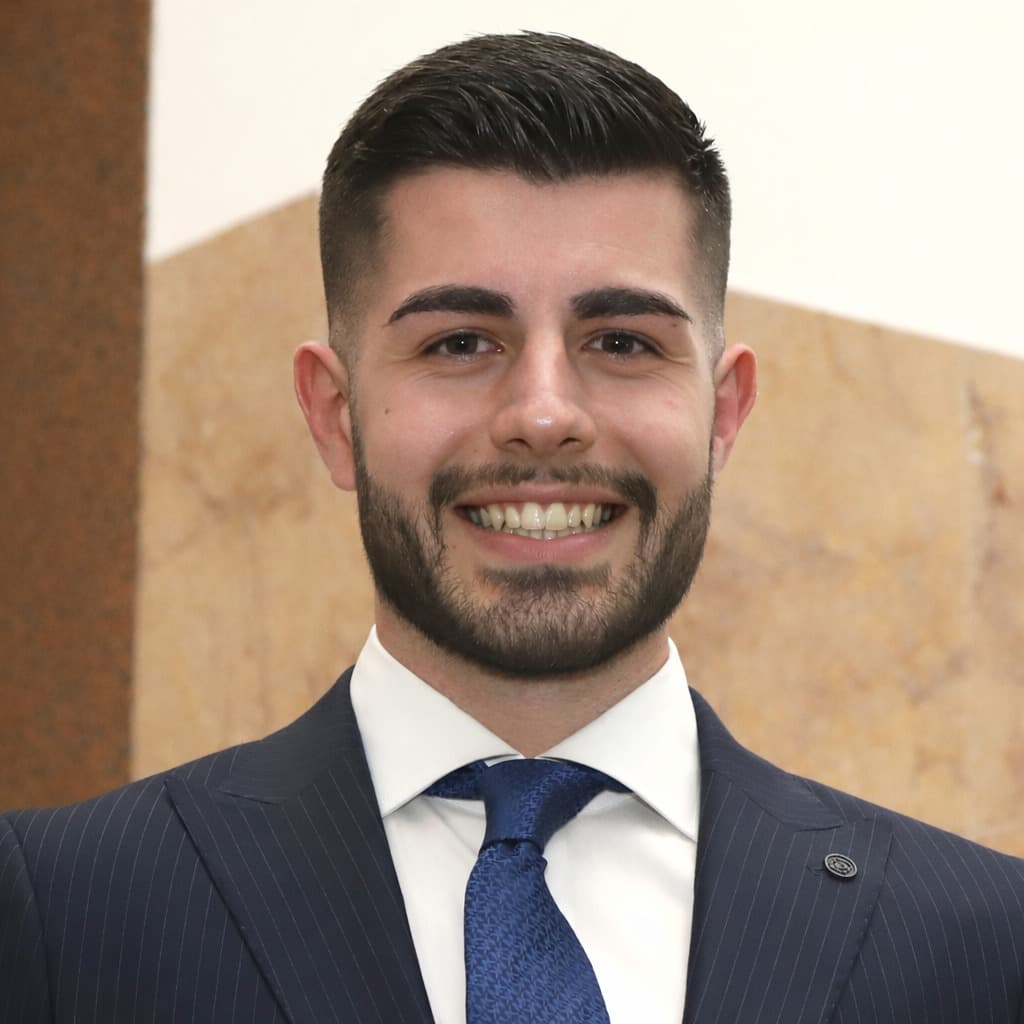
Darius performs hit-to-lead optimization across several collaborations in neurodegeneration, oncology, and neglected tropical diseases. A trained synthetic organic chemist, he conducts research at the intersection of medicinal chemistry, organic chemistry, and pharmacology, and has contributed to several manuscripts and patent applications. Darius earned a T32 in Cellular and Molecular Pharmacology and serves as Chair of the Chemistry Graduate Student Council in the Department of Chemistry and Biochemistry.
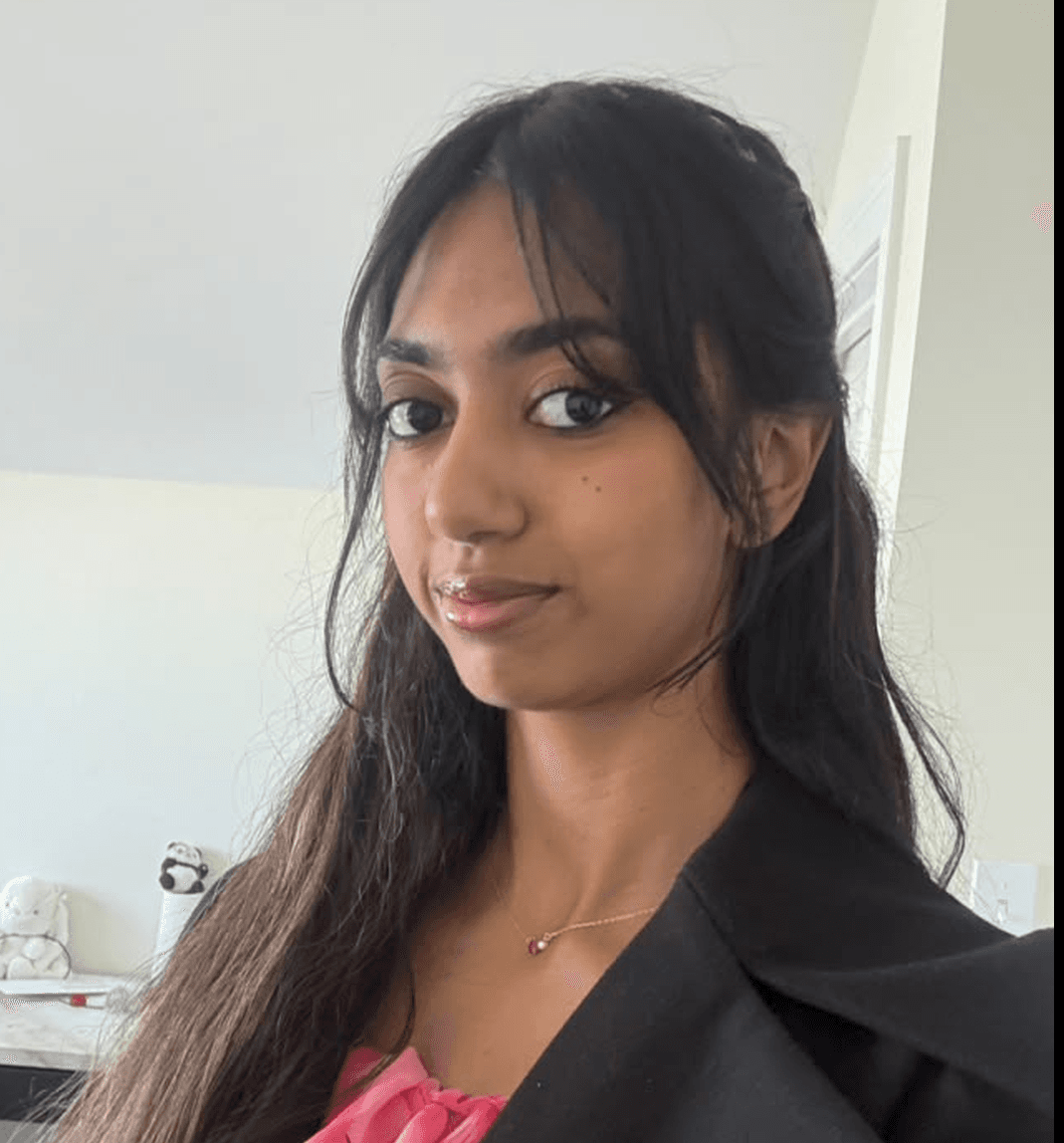
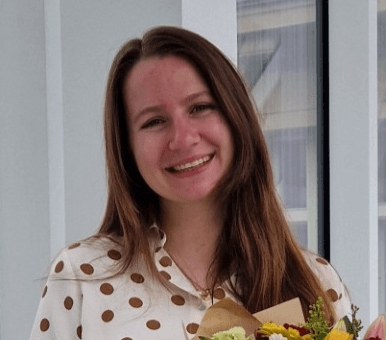
I am a Ph.D. student in the Biomedical Sciences Program at UC San Diego and a member of the Furnari Lab/Alle Lab. My research focuses on understanding the mechanisms that drive therapeutic response and resistance in glioblastoma (GBM), with a particular interest in tumor cell-state transitions and treatment tolerance. I am passionate about translating mechanistic insights into novel therapeutic strategies that can improve patient outcomes. Before joining the Furnari Lab, I completed my B.S./M.S. training in the Caffrey Lab at the Skaggs School of Pharmacy and Pharmaceutical Sciences, where I worked on small-molecule drug discovery for Trypanosoma brucei. I earned my B.S./M.S. in Cell and Molecular Biology with a minor in Psychology. I currently collaborate with a microtubule drug synthesis laboratory to develop targeted small-molecule therapeutics aimed at overcoming radiation resistance in glioblastoma.
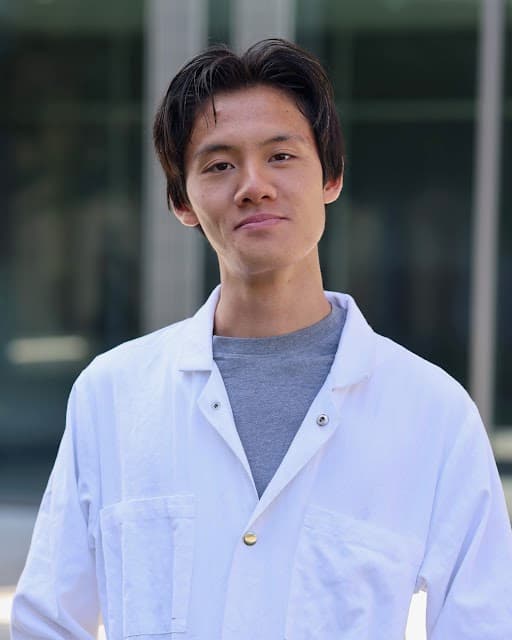
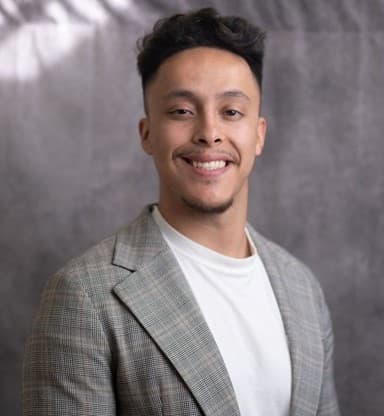
Tyler synthesizes compound analogs targeting the membrane steroid synthesis of parasites and fungi.
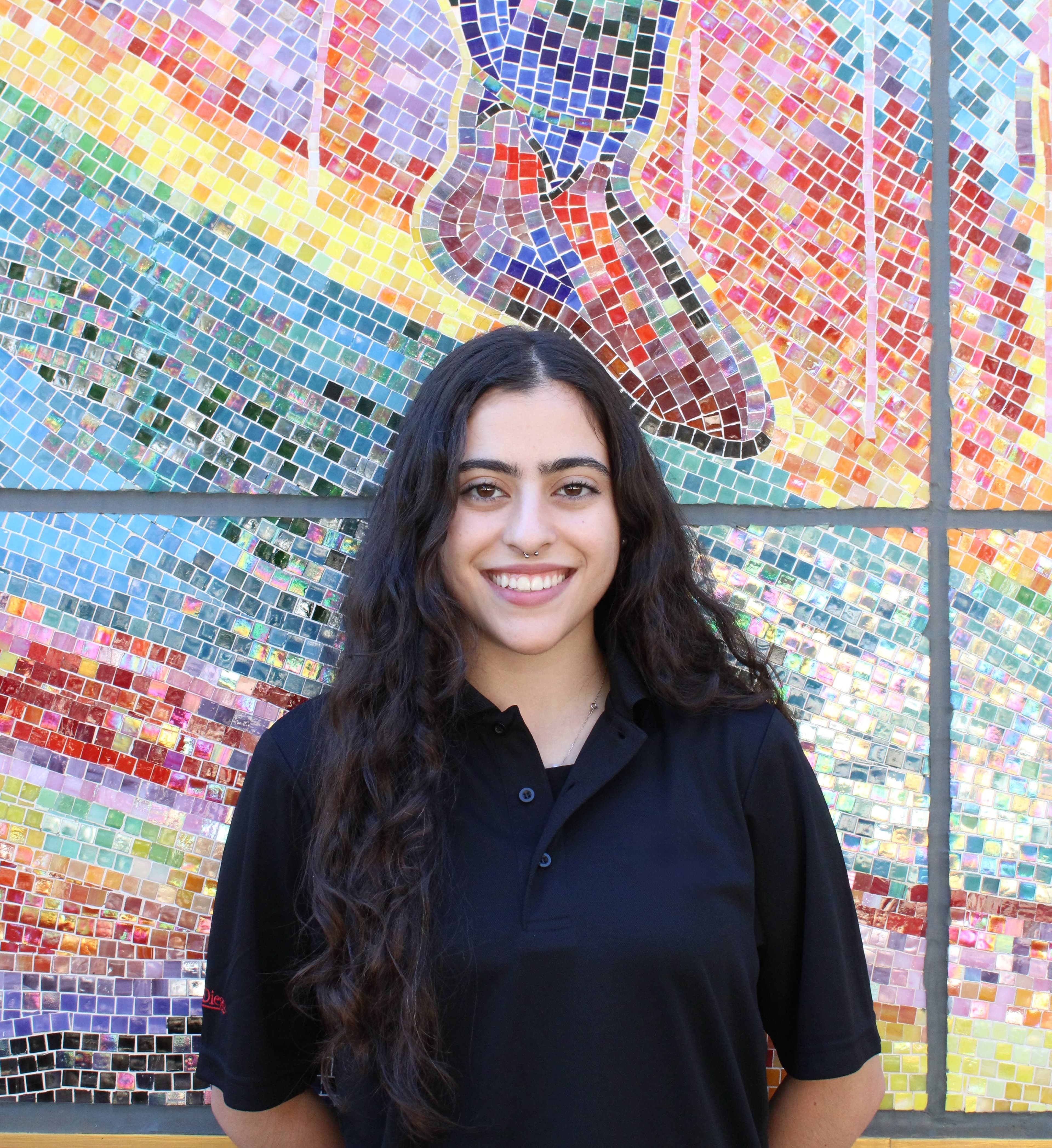
Lana develops new synthetic routes to brain-penetrant microtubule stabilizers and evaluates their activity in Schistosoma Mansoni parasites in collaboration with the Caffrey lab at the CDIPD.
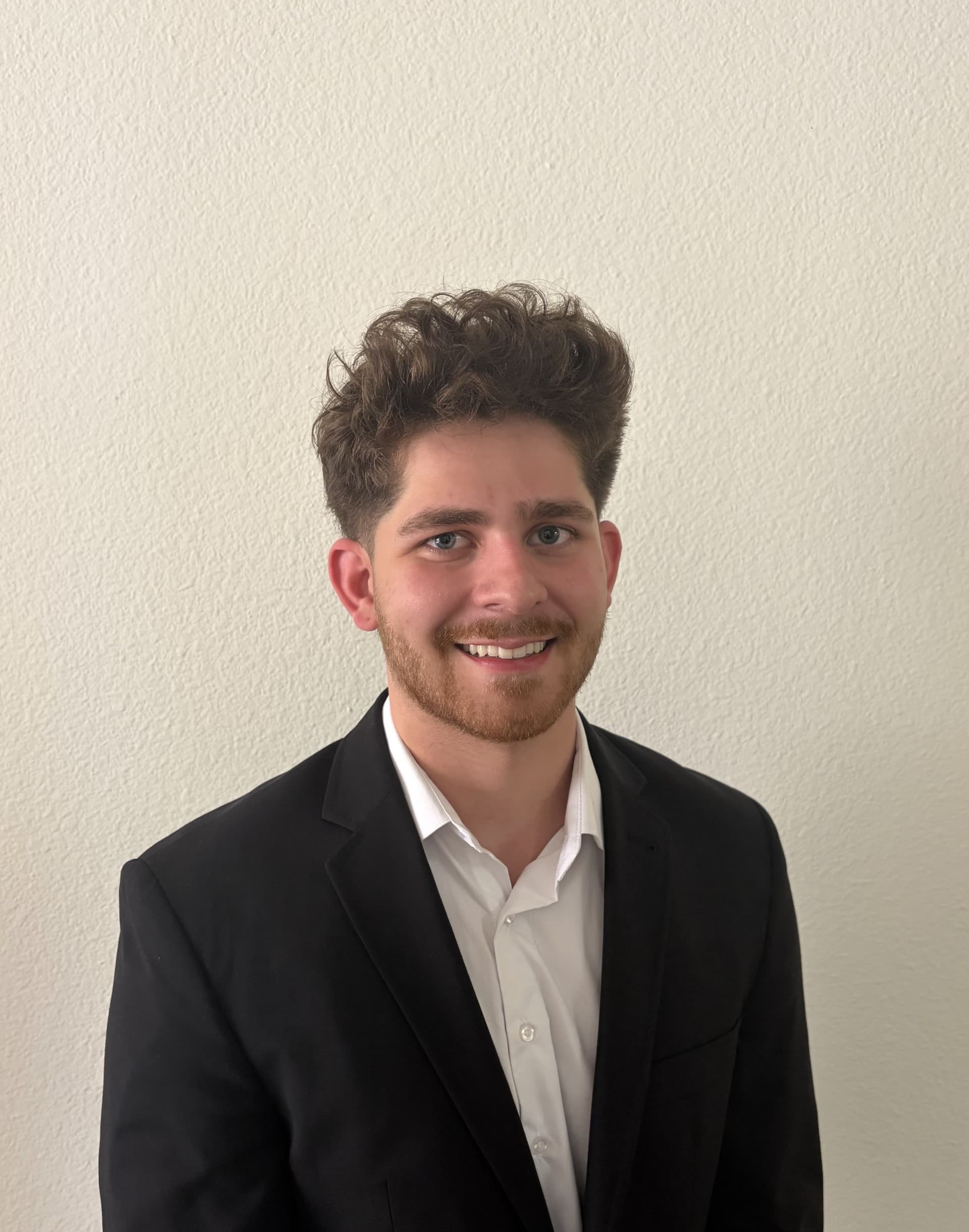
Colton synthesizes peptides to investigate theri antiparasitic activity against schistosoma Mansoni in collaboration with the Caffrey lab at CDIPD
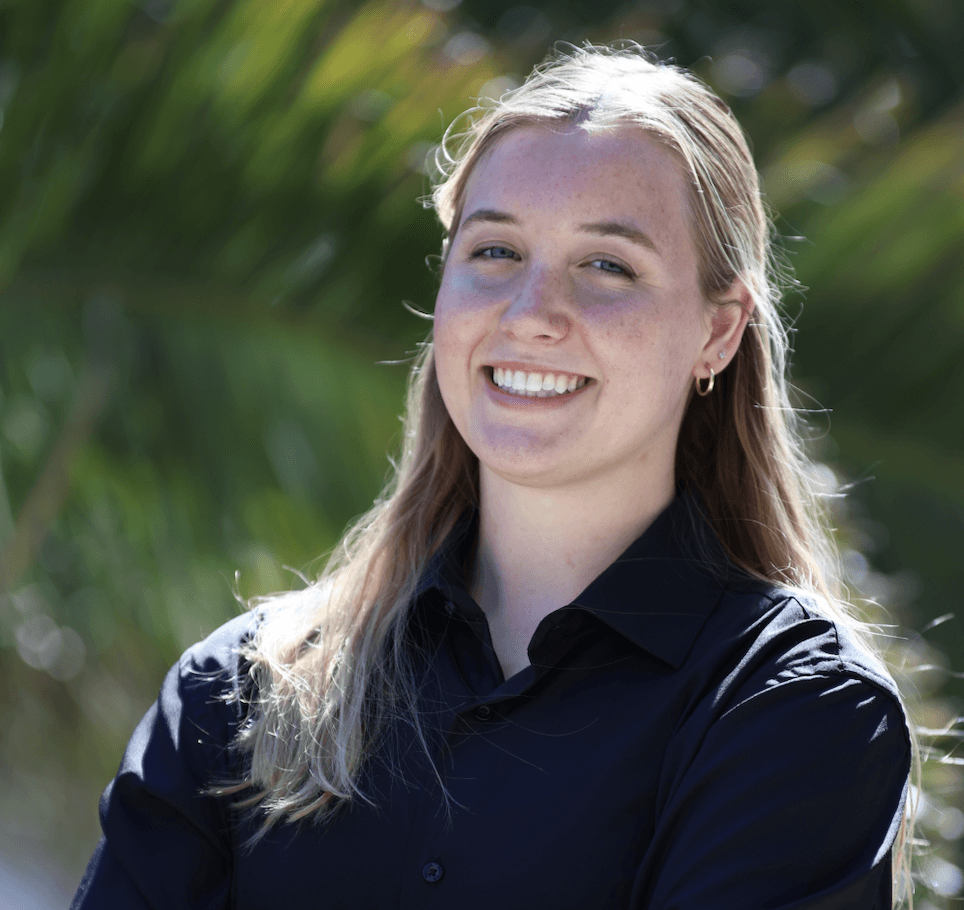
Kay synthesizes organic compounds to inhibit RNA-binding protein MSUT2 from causing nueronal damage linked to Alzheimer’s disease in collaboration with Prof. Kraemer lab (UWash). She also assists with novel synthesis of antiparastic compounds for the amoeba Naegleria Fowleri in collaboration with Prof. Debnath (CDIPD).
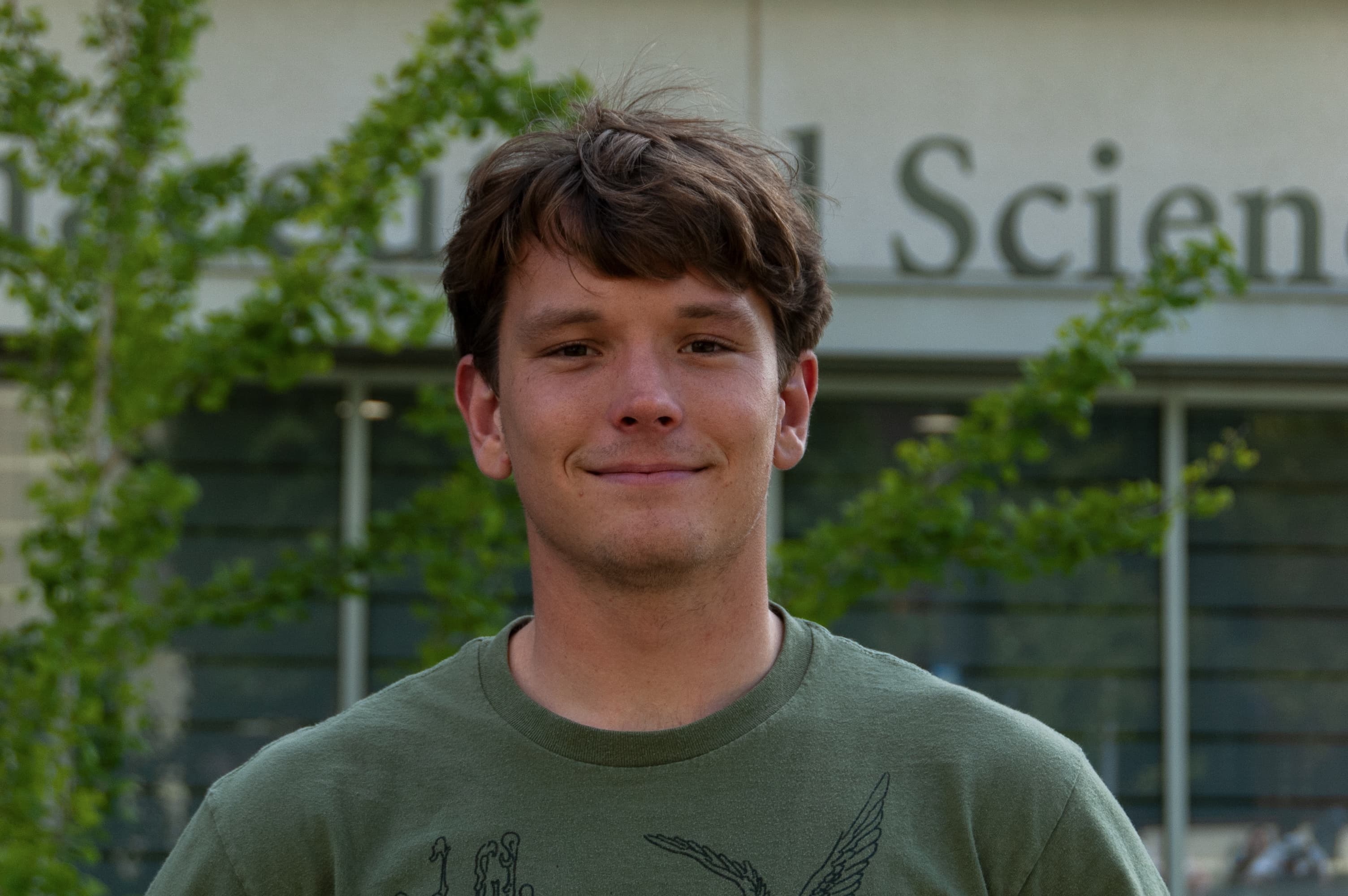
James researches new kinase inhibitors to mitigate adverse effects of current cancer treatments. His current research uses photocatalyzed reaction methods as a way to make reactions more efficient.
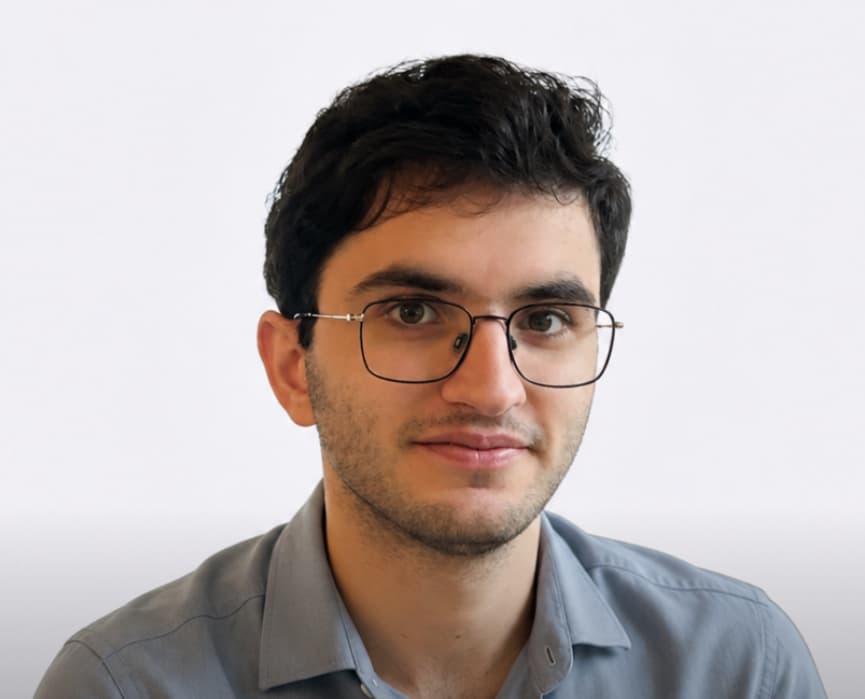
Alex contributes to the lab's research by running reactions and performing compound extraction, purification, and characterization using LC-MS and related techniques. His work ensures the quality and integrity of chemical samples critical to ongoing projects in the group.
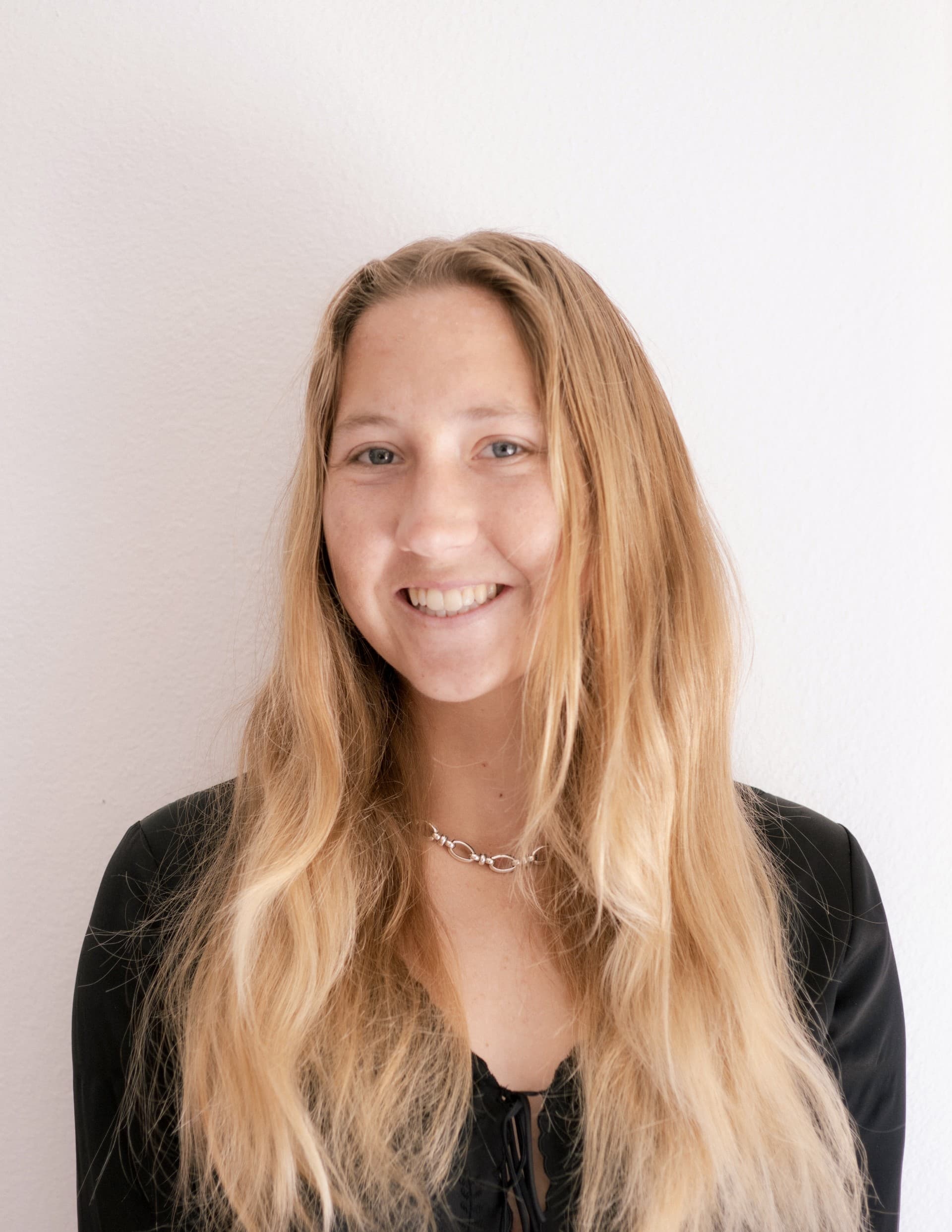
Alix synthesizes diaryl compounds for kinase inhibition using photocatalysis.

York synthesizes and evaluates d4-cystamine, a deuterated derivative designed to enhance anti-inflammatory and anti-fibrotic activity. He also assists in the Schistosoma Mansoni derivatives project .
Alumni
Former lab members who have gone on to impactful positions in academia and industry.